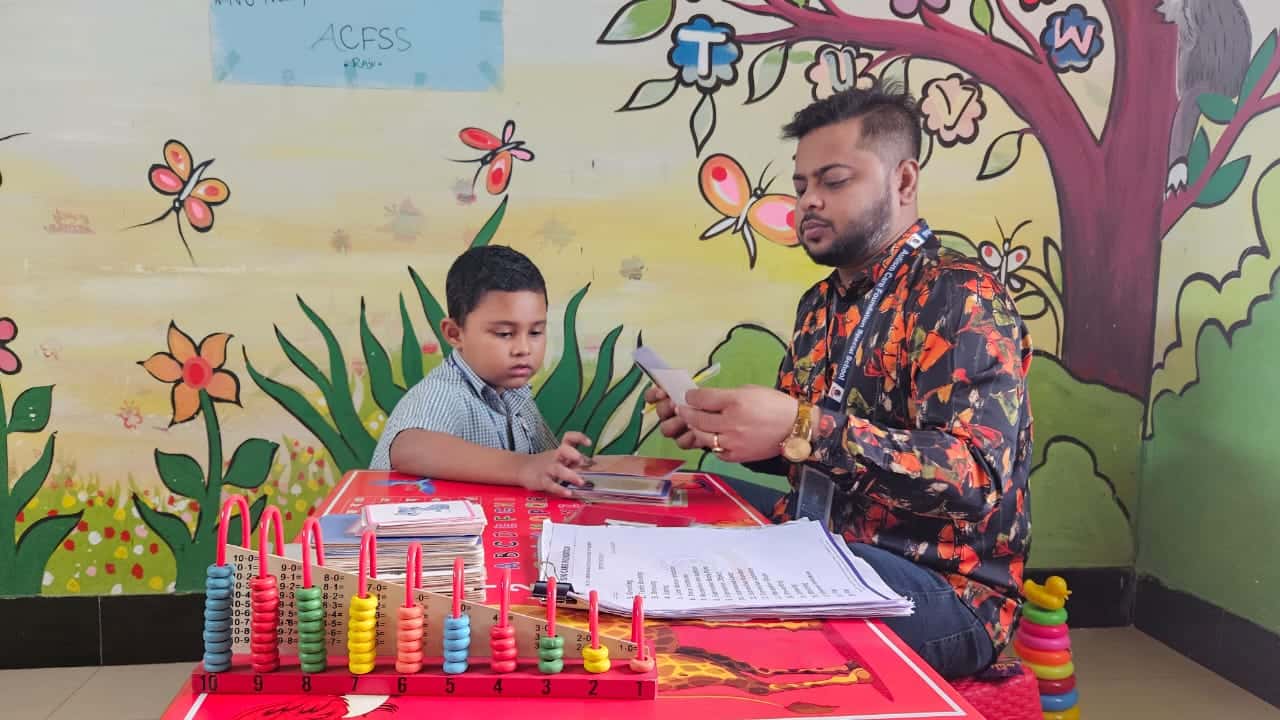
The Vital "Early Window"
When a child is diagnosed with autism, the most common advice from experts is to start intervention as soon as possible. During early childhood, the brain is highly adaptable and responsive to learning. Early intervention leverages this natural plasticity to strengthen communication, social engagement, and cognitive skills before challenges become more entrenched.
Long-Term Impact of Early Support
By addressing developmental challenges early, we can significantly reduce the need for more intensive support later in life. Early intervention isn’t just about the present; it’s about fostering greater independence and quality of life for the child as they grow into adulthood.
Clinical Insight
Our data at ACFSS shows that children who start specialized programs before the age of five demonstrate faster progress in school readiness and social adaptation. A coordinated approach is key to maximizing these early gains.
If you would like professional guidance for your child, our team is available for consultation at Autism Care Foundation Special School.