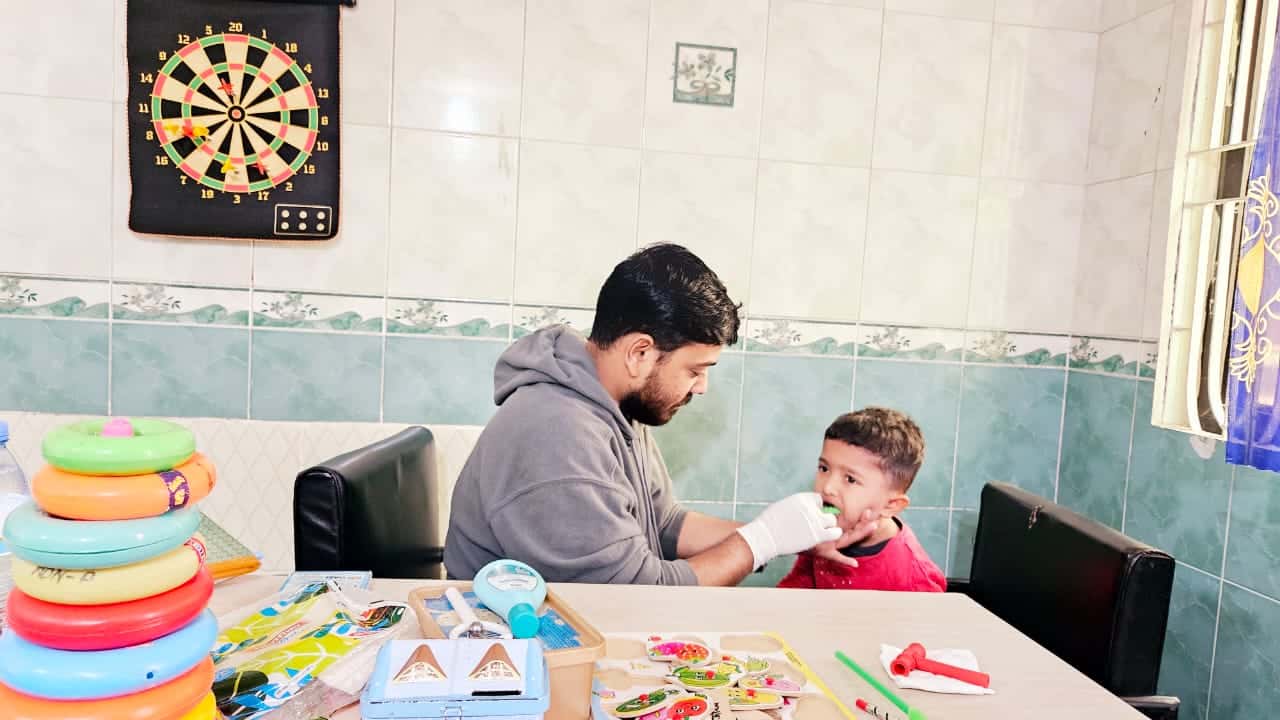
Natural Language Learning
Building language skills doesn’t always require a table and a chair. In fact, some of the most effective communication practice happens during natural play and daily chores. When language is taught in context, it becomes more meaningful and functional for the child.
Creating the "Need" to Talk
The key to home practice is creating a reason for the child to communicate. By pausing during a favorite activity or offering choices during snack time, we encourage the child to use their voice, gestures, or AAC tools. This makes communication feel rewarding and relevant.
Communication Insight
At ACFSS, we prioritize "functional communication." It’s not just about reciting words; it’s about ensuring the child can effectively tell you what they want, need, and feel in the moment.
If you would like professional guidance for your child, our team is available for consultation at Autism Care Foundation Special School.