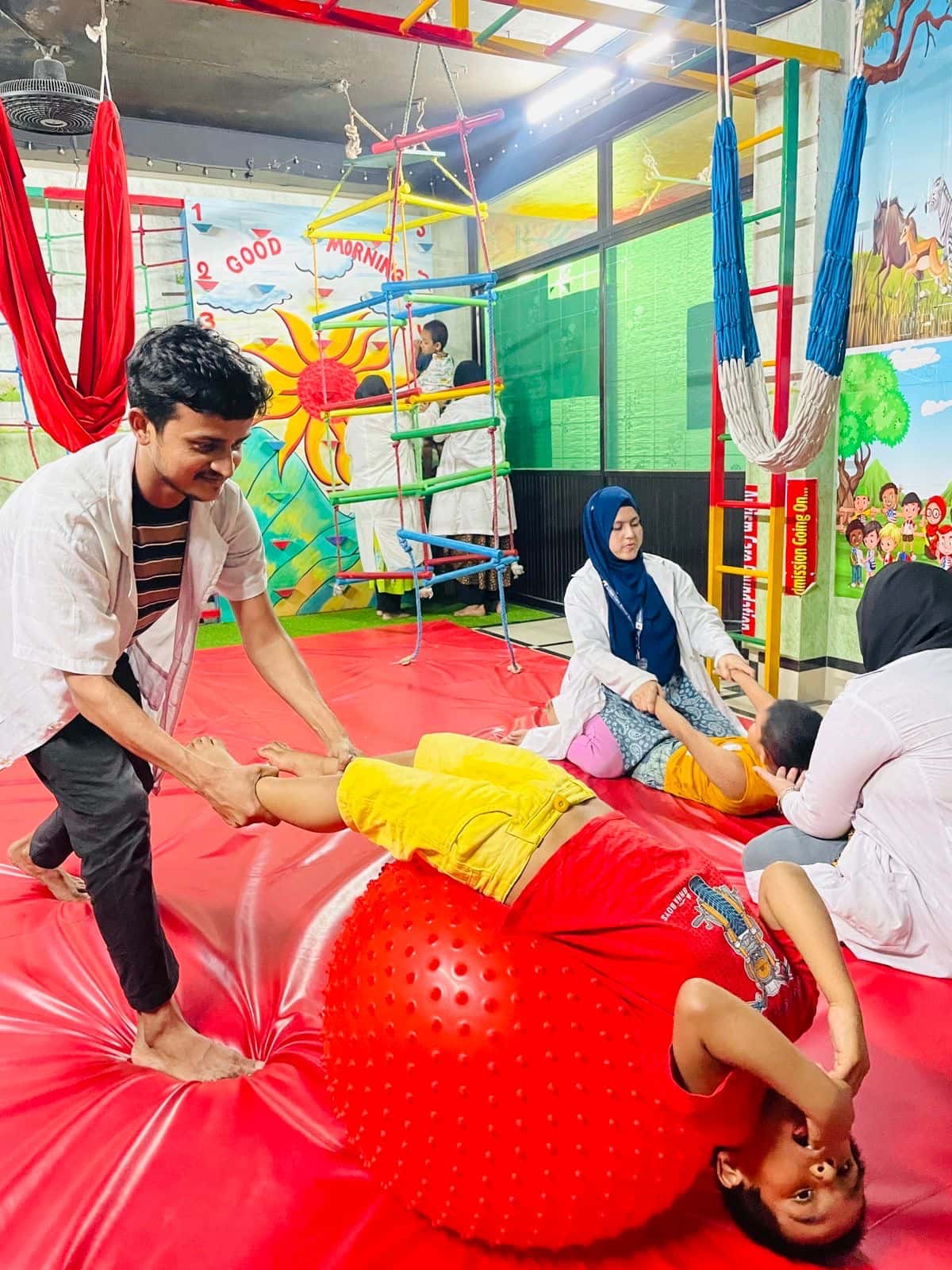
Supporting the Work of Childhood
In the context of childhood, a child’s "occupation" is to play, learn, and take care of themselves. Occupational Therapy (OT) provides critical support for children who face motor planning or sensory challenges that make these fundamental activities difficult.
Fine Motor and Sensory Integration
OT focuses on strengthening the small muscles needed for writing or buttoning a shirt while also helping the brain process information from the senses. By creating a tailored "sensory diet," OT therapists help children stay calm, focused, and ready to engage with their environment effectively.
Clinical Perspective
OT is often the "missing piece" in a child’s development plan. At ACFSS, we integrate sensory strategies into our daily routines to ensure students remain regulated and receptive to learning throughout the day.
If you would like professional guidance for your child, our team is available for consultation at Autism Care Foundation Special School.