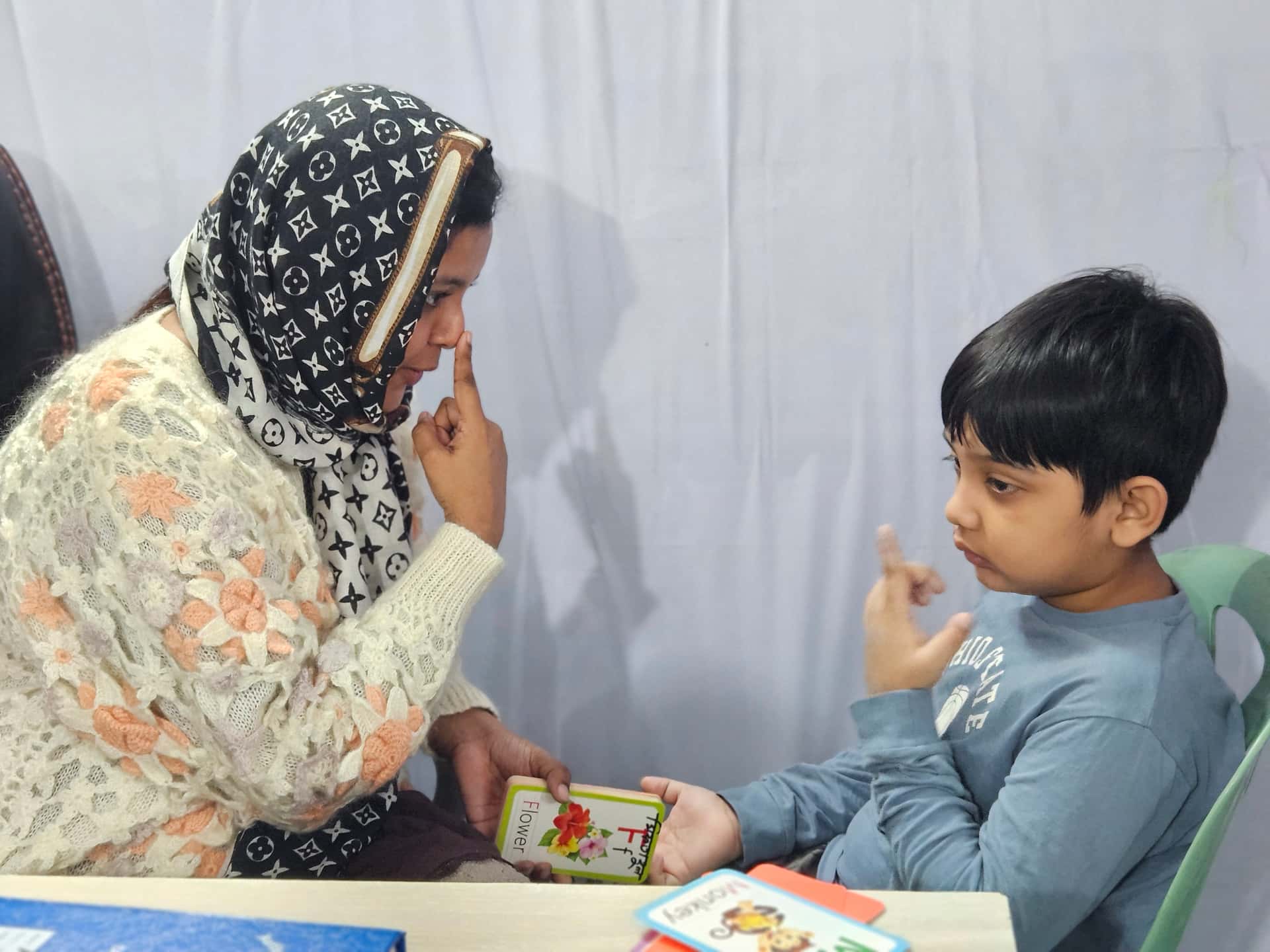
Finding a Voice
For a child with autism, the world can sometimes feel like a place where they cannot make their voice heard. This inability to communicate needs and feelings often leads to immense frustration. Speech and Language Therapy is about giving children the tools—whether verbal or non-verbal—to bridge that gap and connect with others.
A Holistic Approach to Language
Speech therapy addresses both "expressive" language (what a child says) and "receptive" language (what they understand). It also covers non-verbal cues like gestures and eye contact. For non-verbal children, we utilize Augmentative and Alternative Communication (AAC) tools, ensuring every child has a reliable method of self-expression.
Specialist Perspective
Communication is the key to reducing frustration. In our experience at ACFSS, when a child gains a functional way to communicate, we often see a significant and simultaneous reduction in challenging behaviors.
If you would like professional guidance for your child, our team is available for consultation at Autism Care Foundation Special School.